Unlocking the Advantages of Liquid Stevia: A Ketogenic Diet-Compatible Sweetener
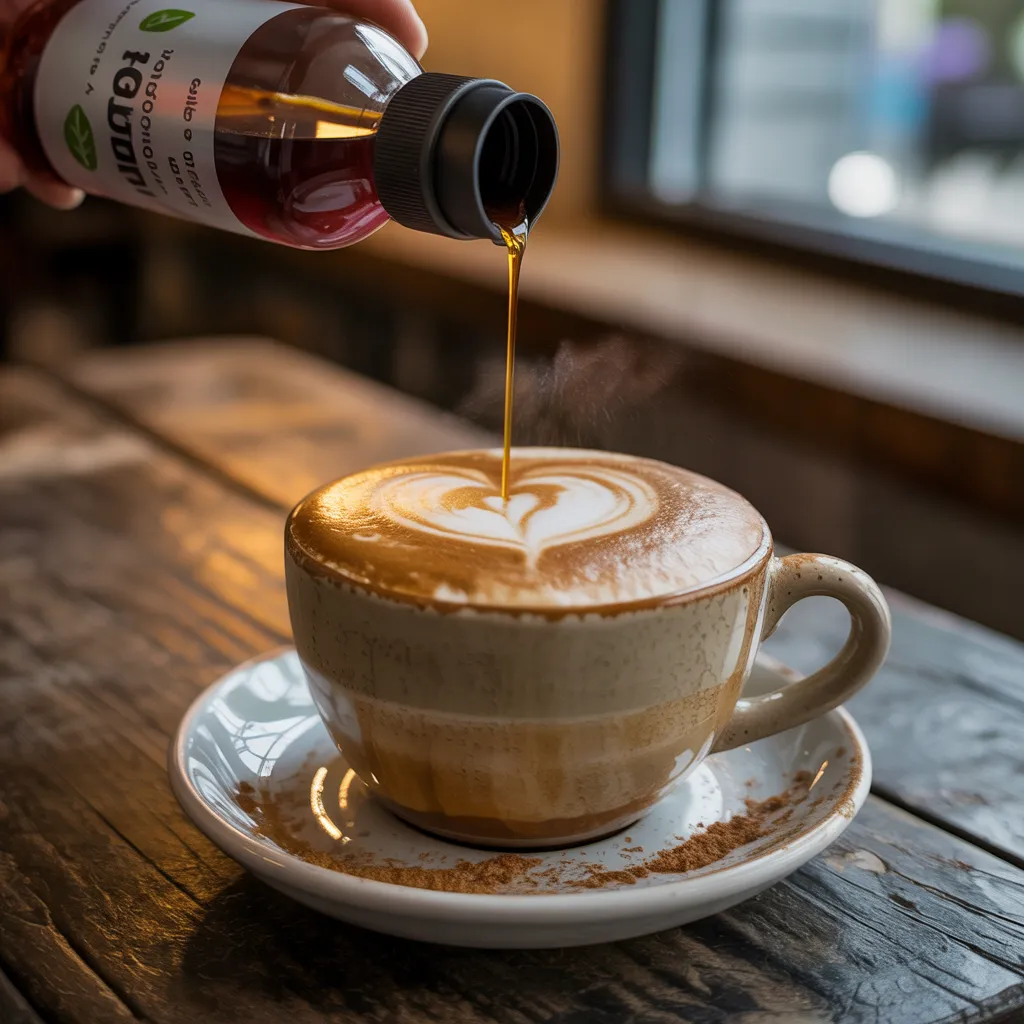
Liquid stevia presents a compelling option to traditional sugar alternatives, especially for those embracing a ketogenic regimen. This organic sweetener, derived from the Stevia rebaudiana plant, delivers no calories and minimal effect on glucose management. As its adoption rises, understanding its various advantages and practical applications becomes essential. However, misconceptions about liquid stevia persist, masking its true capabilities. Examining these dimensions may demonstrate why it deserves a place in your pantry.
What Makes Liquid Stevia Better than Other Sweeteners?
Many individuals choose for liquid stevia as a sweetening agent because it offers a natural substitute to artificial options. Unlike sugar, liquid stevia is extracted from the leaves of the Stevia rebaudiana plant, making it a plant-based choice. This natural origin attracts to those pursuing more nutritious lifestyle choices. Liquid stevia also has zero calories, making it appealing for individuals monitoring their calorie intake or following specific diets, such as keto. Furthermore, it does not contribute to blood sugar spikes, which is advantageous for those managing diabetes or insulin sensitivity. The ease of liquid form allows for easy incorporation into beverages and recipes, providing versatility that other sweeteners may lack. Additionally, unlike some artificial sweeteners, liquid stevia does not leave a bitter aftertaste, enhancing its appeal to consumers. These factors collectively add to the growing inclination for liquid stevia over conventional sweetening options.
Liquid Stevia's Wellness Benefits
Liquid stevia delivers significant health benefits, primarily as a natural calorie-free sweetener. Its distinctive qualities establish it as an appealing option for those working to control their weight while still enjoying sweetness. Additionally, scientific evidence indicates that liquid stevia may support blood sugar regulation, making it a suitable option for people keeping track of their glucose levels.
Organic Calorie-Free Sweetener
Stevia, a organic sweetener, provides a no-calorie alternative to conventional sugars, making it an appealing choice for those seeking to reduce their caloric intake. Extracted from the leaves of the Stevia rebaudiana plant, it contains compounds called steviol glycosides, which provide sweetness without contributing calories. This trait makes liquid stevia an ideal option for individuals on low-calorie or ketogenic diets. Additionally, it enables for the experience of sweet tastes in beverages and recipes without the guilt associated with sugar consumption. The versatility of liquid stevia allows it to be used in various food preparations, from beverages to desserts, offering a sugar-like taste while promoting a healthier lifestyle.
Blood Sugar Regulation Support
Maintaining blood sugar regulation is an important element of overall health, and liquid stevia might offer a beneficial effect in this field. Compared to traditional sweeteners, liquid stevia possesses a low glycemic index, which means it does not trigger considerable increases in blood sugar levels. This quality makes it a desirable choice for those managing diabetes or individuals on a ketogenic diet. Studies indicate that stevia may enhance insulin sensitivity, thus supporting better blood sugar control. Moreover, its plant-based sweetness can fulfill cravings without the harmful effects linked to sugar intake. Incorporating liquid stevia into their diet allows individuals to enjoy sweetness while maintaining healthy blood sugar levels, boosting overall health and wellness.
Liquid Stevia's Place in a Keto Diet
While numerous people on a keto diet seek substitutes for sugar, liquid stevia emerges as a favored option due to its calorie-free, low-carbohydrate profile. This organic sweetening agent, extracted from the leaves of the Stevia rebaudiana plant, complements ketogenic principles, which stress minimal carbohydrate intake to facilitate ketosis. Unlike conventional sugar alternatives, liquid stevia does not spike blood sugar levels, rendering it suitable for those controlling their blood sugar.
Furthermore, its strong sweetness allows for only minimal quantities to be utilized, guaranteeing that people can savor sweet tastes without compromising their nutritional objectives. Liquid stevia can be seamlessly incorporated into various keto-friendly recipes, such as beverages, desserts, and sauces, enhancing flavor without adding carbs. This flexibility, paired with its health advantages, solidifies liquid stevia's role as a valuable asset for those following a ketogenic diet.
Techniques to Apply Liquid Stevia Creatively
In what manner can someone improve their dishes using liquid stevia? This flexible sweetener can boost various dishes without the added calories of sugar. In drinks, a few drops can convert smoothies, iced teas, or coffee into flavorful, guilt-free indulgences.
During baking, liquid stevia functions as a replacement for sugar in recipes, supplying sweetness without affecting texture when used appropriately. It works particularly well in recipes for cookies, cakes, and muffins.
For savory dishes, a touch of stevia can balance flavors in salad dressings or marinades, providing a creative flair. In addition, it can enhance the sweetness of handmade sauces and salsas, contributing complexity while avoiding carbs.
Creative cooks might try using stevia in yogurt or oatmeal, producing wonderful breakfast options. By incorporating liquid stevia thoughtfully, culinary enthusiasts can discover new flavor profiles while following their dietary preferences.
Addressing the Top 5 Erroneous Ideas About Liquid Stevia
What misconceptions encompass liquid stevia? Many individuals incorrectly think that it is artificial or chemically processed, when in reality, liquid stevia is extracted from the leaves of the Stevia rebaudiana plant. Another common myth is that it has an unpleasant bitter taste; however, high-quality liquid stevia often has a delightful sweet taste without the bitterness. Some also argue that liquid stevia can cause digestive issues, but research suggests it is typically safe. Additionally, there is an assumption that liquid stevia leads to weight gain, which conflicts with its zero-calorie nature, making it suitable for weight management. Finally, some think it is not good for cooking; however, liquid stevia can tolerate heat, rendering it adaptable to various recipes. By tackling these myths, individuals can form educated decisions about adding liquid stevia into their diets.
Methods to Determine the Most Suitable Liquid Stevia for Your Purposes
Choosing the best liquid stevia involves meticulous consideration of its contents and flavor. Different brands may use diverse formulations, which can greatly affect taste and cleanliness. Understanding these factors is important for finding a product that suits personal preferences and dietary needs.
Ingredients To Consider
Selecting the right stevia liquid involves thorough evaluation of its ingredients. Users should prioritize items containing authentic stevia extract, specifically those sourced from the Stevia rebaudiana plant, as this guarantees authenticity and purity. It is also vital to check for extra components, such as organic flavors or preservatives, which can impact the overall health benefits. Some liquid stevias may include glycerin or alcohol as delivery systems; choosing those without synthetic ingredients is advisable. In addition, examining the sweetening potency is significant, as some brands may use fillers that dilute the sweetening power. check now By focusing on these elements, people can select a stevia liquid that aligns with their nutritional choices and wellness objectives, especially in a keto-friendly context.
Flavor Profile Options
A range of flavor options can considerably shape the decision of liquid stevia, catering to diverse flavor tastes. Some brands offer a unadulterated, clear sweet note that closely resembles sugar, perfect for those looking for a simple flavor. Others may incorporate enhanced flavors, such as vanilla, chocolate, or almond, which can improve particular culinary creations or beverages. Additionally, the aftertaste can change; some users might prefer brands with low aftertaste, while others may not mind a slight bitterness. It’s important to sample different options to identify the flavor that best suits one’s dishes or drinks. Ultimately, choosing the ideal liquid stevia entails harmonizing sweetness, flavor boosts, and custom taste preferences for a better culinary experience.
Popular Questions Asked Regularly
Is Liquid Stevia Safe for Minors and Pregnant Women?
Liquid stevia is typically regarded secure for pregnant women and children when consumed in reasonable amounts. However, speaking with a healthcare professional is recommended to guarantee individual health circumstances are considered before introducing any new sweeteners.
Is Liquid Stevia Known to Trigger Digestive Issues?
Liquid stevia could create gastrointestinal upset in some individuals, like abdominal bloating or flatulence, particularly when ingested in significant amounts. Reactions may differ, so paying attention to personal reactions is advisable for those evaluating its application.
In What Manner Does Liquid Stevia Alter Blood Sugar Levels?
Liquid stevia does not substantially influence blood sugar levels, making it a popular alternative for those dealing with diabetes or following low-carb diets. Its natural sweetness provides a sugar alternative without the associated glycemic effects.
What Affects the Storage Duration of Liquid Stevia?
Liquid stevia generally has a shelf life of about two to three years when preserved correctly, away from sunlight exposure and heat. It continues to stay stable due to its concentrated form and absence of calories.
Is Liquid Stevia Suitable for Use in Cooking Recipes?
Liquid stevia may be utilized in baking recipes, although modifications may be required due to its concentrated sweetness. It serves well in many desserts, but achieving the right consistency may demand additional components for proper proportioning.